
The thrill of risk and reward
The primary allure of gambling lies in the thrill of risk and reward. This psychological phenomenon can spark a rush of adrenaline, leading players to chase the euphoric feeling that accompanies a win. The uncertainty of outcomes creates a unique environment where each spin of the wheel or flip of a card brings heightened anticipation. This tension fuels excitement, making gambling an emotionally exhilarating experience, especially when engaging with platforms like https://mcw-official.com/ that offer various options to enhance the excitement. The interplay of risk and potential rewards can create a compelling cycle, encouraging players to return in hopes of experiencing that thrill again.
Moreover, the design of casino games is intentionally crafted to amplify this thrill. Elements such as bright lights, engaging sound effects, and the presence of other excited players enhance the atmosphere, drawing gamblers into a deeply immersive experience. The potential for winning big can overshadow the fear of loss, prompting individuals to participate more frequently, despite the odds not being in their favor. This phenomenon is underpinned by the brain’s reward system, where victories trigger the release of dopamine, reinforcing the desire to engage in gambling again. The brain becomes conditioned to associate gambling with pleasure, creating a strong urge to play.
Additionally, the concept of ‘near misses’ plays a significant role in the psychology of gambling. When players experience a close call—such as almost winning a jackpot—they often feel compelled to continue playing, driven by the belief that they are close to a win. This can lead to a cycle of continuous play, as individuals misinterpret these near misses as signs of imminent success, propelling them deeper into the gambling experience. This phenomenon is not just a coincidence; it is a psychological trick that keeps players engaged and hopeful, often leading them to gamble beyond their limits.
The social aspect of gambling
Gambling is not just a solitary activity; it often takes on a social dimension that enhances its appeal. In many casinos, players gather around tables and machines, sharing their experiences, cheering for each other, and celebrating victories together. This communal aspect fosters connections that can transform gambling into a shared adventure, making the experience more enjoyable and engaging. Gambling becomes a social event, allowing friends and strangers alike to bond over the excitement of the game, creating a sense of community that can be deeply fulfilling.
Additionally, social interactions in gambling environments can help mask the consequences of potential losses. When people are surrounded by others, they may feel less vulnerable and more inclined to take risks. The camaraderie present in casinos can create a false sense of security, encouraging individuals to gamble more than they might in isolation. This aspect of gambling becomes particularly pronounced during events such as tournaments or themed nights, where the atmosphere is electric, and the stakes seem higher. The social validation from peers can diminish the perception of risk, leading to more impulsive decisions.

Furthermore, the presence of social influence plays a key role in gambling behavior. Individuals may feel compelled to join in or continue playing due to peer pressure or the desire to fit in with a group. This dynamic can lead to reckless spending and a diminished awareness of personal financial limits. As players share stories of their wins and losses, the normalization of gambling behavior may encourage others to engage more deeply, further perpetuating the cycle of gambling within social circles. This creates an environment where the thrill of the game is intertwined with the desire for social acceptance, making it even harder for individuals to step back.
Addiction and its psychological underpinnings
The thrill of gambling can quickly escalate into problematic behavior, with addiction being a significant risk for some individuals. The psychological mechanisms driving gambling addiction are complex and multifaceted, often involving a combination of genetic predispositions and environmental factors. Gamblers may develop a dependence on the emotional highs associated with winning, leading them to gamble more frequently and in larger amounts as they seek to replicate those feelings. The cycle of chasing losses can become all-consuming, leaving individuals feeling trapped in a never-ending quest for that next win.
Moreover, many individuals may turn to gambling as a coping mechanism for stress, anxiety, or depression. The temporary escape that gambling provides can be appealing, as it allows players to forget their problems, albeit briefly. Unfortunately, this coping strategy can quickly spiral out of control, resulting in financial instability and damaged personal relationships, which can compound the very issues they initially sought to escape. The initial thrill can give way to feelings of guilt and shame, further entrenching the individual in their addiction.
It is crucial to recognize the signs of gambling addiction, which may include an obsession with gambling, escalating bets, and neglecting responsibilities. Awareness and education are vital in addressing gambling addiction, as many individuals may not fully understand the implications of their behavior. Treatment options are available, ranging from therapy and support groups to counseling, helping individuals reclaim control over their lives and make more informed choices regarding gambling. Understanding that help is available can be the first step towards recovery, offering individuals a chance to rebuild their lives.
The role of marketing and casino design
Marketing strategies employed by casinos play a pivotal role in shaping players’ perceptions and encouraging them to engage in gambling. From enticing promotions to showcasing luxurious amenities, casinos are designed to attract customers and create an inviting atmosphere. Gamblers are often lured in by flashy advertisements that emphasize the excitement and potential rewards, masking the reality of the risks involved. These marketing tactics can create unrealistic expectations and contribute to the normalization of gambling within society, leading individuals to overlook the possible negative consequences.
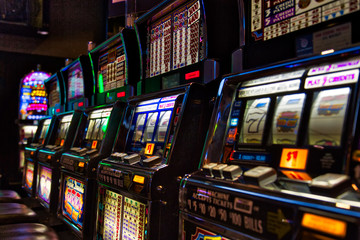
Furthermore, the physical design of casinos is intentionally orchestrated to enhance player engagement. The layout is often circular, guiding players from one gaming area to another, ensuring they remain immersed in the environment. Additionally, the absence of clocks and windows creates a disorienting experience, enabling individuals to lose track of time and prolong their stay. Such design elements cater to the psychological need for excitement and can lead to extended gambling sessions, putting players at greater risk for developing harmful habits. This immersive environment is a carefully crafted trap that keeps players engaged longer than they might initially intend.
The strategic placement of rewards, such as complimentary drinks and enticing lounge areas, further entices players to stay and gamble longer. By creating a comfortable and captivating environment, casinos can effectively increase player engagement and revenue. Understanding these marketing techniques allows potential gamblers to be more discerning and aware of how their gambling behaviors might be influenced by their surroundings and the messaging they encounter. By recognizing these tactics, players can make more informed decisions and better protect themselves from excessive gambling.
Understanding informed choices in gambling
The increasing awareness of responsible gambling practices has led to a growing emphasis on making informed choices. Education about the psychology of gambling can empower individuals to recognize their motivations and the potential risks associated with this activity. By understanding the psychological triggers that can lead to compulsive behavior, players can develop more mindful gambling habits and set limits that align with their personal values and financial circumstances. This understanding is critical in creating a safer gambling environment and fostering healthier player behaviors.
Additionally, many casinos have implemented measures to promote responsible gambling, such as self-exclusion programs and resources for problem gambling. These initiatives aim to support players in recognizing when their gambling may be becoming problematic and to provide pathways for seeking help. Encouraging a culture of transparency and understanding around gambling can contribute to healthier gaming practices and reduce the risks associated with excessive gambling. By fostering an environment where responsible practices are prioritized, individuals can enjoy gambling as a form of entertainment rather than a harmful addiction.
Ultimately, creating a balanced approach to gambling involves acknowledging both the enjoyment it can bring and the potential for harm. By fostering an environment where informed choices are prioritized, gamblers can engage in this activity more responsibly, enhancing their overall experience while minimizing the adverse effects commonly associated with gambling. Understanding the psychological underpinnings of gambling behavior is key to empowering individuals in their choices. As knowledge spreads, the possibility for more responsible gambling practices increases, benefiting both players and the industry.